
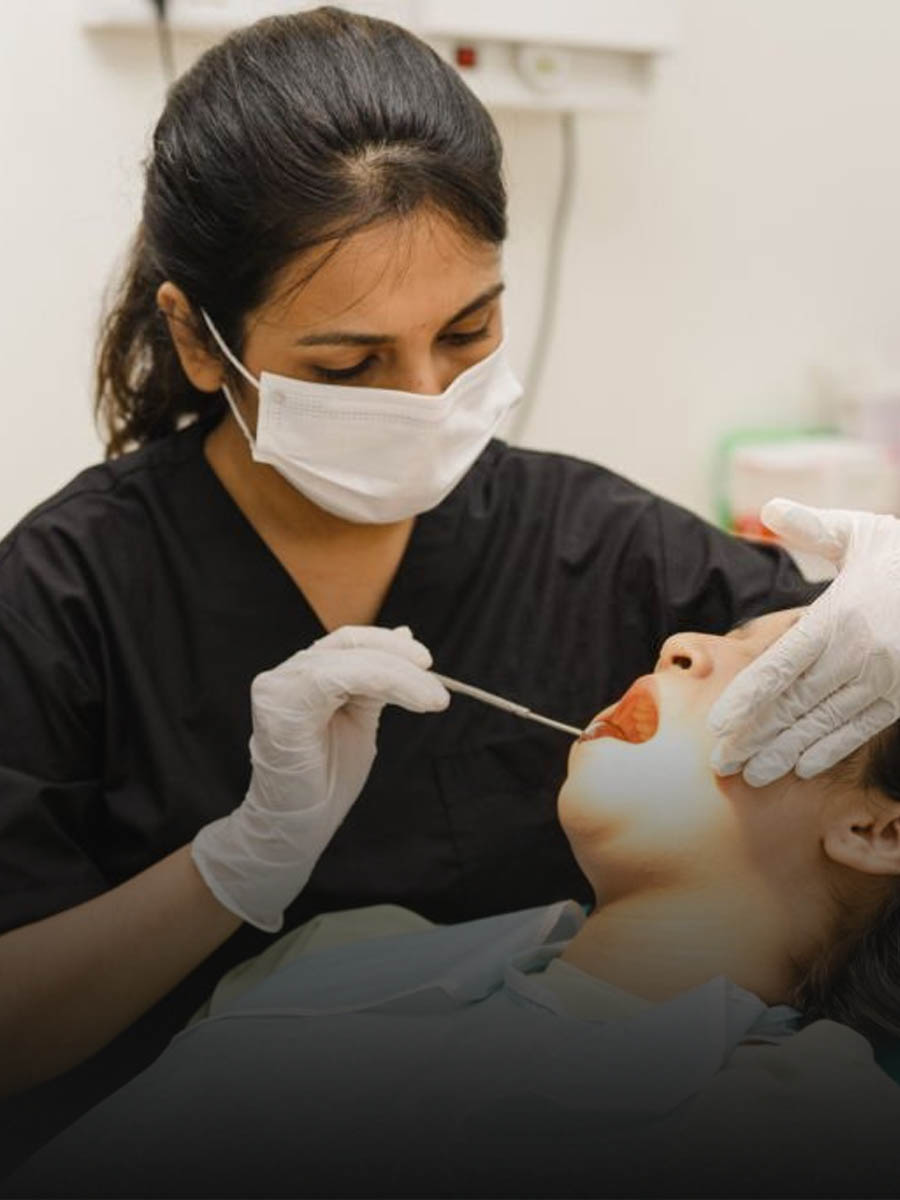
Routine dental checkups serve as the cornerstone of comprehensive oral health management, providing far more than a mere cleaning or superficial inspection. These visits allow dental professionals to assess the intricate network of teeth, gums, and supporting structures with meticulous attention, identifying potential issues before they evolve into serious complications. Beyond the immediate aesthetic and functional benefits, preventive dental care contributes to overall systemic health, as numerous studies have linked oral conditions with cardiovascular diseases, diabetes, and other chronic illnesses. Patients often underestimate the subtle warning signs of oral maladies, and routine checkups ensure that these signals are detected early, allowing for timely intervention and minimizing the risk of invasive treatments in the future.
Early Detection of Dental Problems
One of the most significant advantages of regular dental visits is the early detection of dental problems that may otherwise remain unnoticed. Conditions such as tooth decay, gum inflammation, and enamel erosion can develop silently over months, gradually compromising oral integrity. During checkups, dentists employ advanced diagnostic tools, including X-rays and intraoral imaging, to uncover hidden cavities, bone density issues, and other structural concerns. Early identification not only prevents the escalation of these problems but also allows for less complex and more cost-effective treatment options. By prioritizing regular assessments, patients safeguard their oral health and avoid the physical discomfort and financial burden associated with advanced dental procedures.
Gum Health and Periodontal Disease Prevention
Gum health is often overlooked despite its crucial role in maintaining a stable oral environment. Periodontal disease, if left untreated, can lead to tooth loss, persistent inflammation, and even systemic health implications such as increased risk for heart disease. Routine dental checkups incorporate comprehensive periodontal examinations, assessing gum recession, pocket depths, and early signs of infection. Professional cleanings remove plaque and tartar buildup that cannot be addressed through regular brushing and flossing alone, reducing the likelihood of inflammation and infection. By monitoring gum health consistently, patients benefit from preventive strategies that preserve tissue integrity and ensure long-term oral functionality.
The Role of Professional Cleaning and Oral Hygiene Guidance
While daily brushing and flossing form the foundation of personal oral hygiene, they cannot replicate the thoroughness of a professional dental cleaning. Dentists and hygienists utilize specialized instruments to remove hardened deposits and bacterial colonies that accumulate in hard-to-reach areas. These cleanings not only enhance the appearance of teeth by eliminating surface stains but also mitigate the risk of decay and gum disease. Furthermore, routine checkups provide an opportunity for dental professionals to tailor oral hygiene guidance to individual needs, offering recommendations on brushing techniques, flossing methods, and suitable oral care products. Such personalized advice empowers patients to maintain optimal oral health and reinforces habits that prevent future complications.
Monitoring and Managing Systemic Health Connections
The interrelationship between oral health and overall well-being underscores the necessity of regular dental visits. Conditions such as diabetes, cardiovascular disease, and respiratory infections can manifest in the oral cavity, with early signs detectable by trained dental professionals. Gingival inflammation, unexplained bleeding, and persistent oral lesions may indicate broader systemic issues that require medical attention. Routine dental checkups thus serve as an essential component of holistic health monitoring, enabling timely referrals and interventions. By acknowledging the mouth as a reflection of general health, patients benefit from integrated care that addresses both oral and systemic concerns, enhancing longevity and quality of life.
Preventing Costly and Extensive Treatments
Investing in routine dental checkups is a proactive approach that significantly reduces the likelihood of extensive and costly treatments. Untreated cavities, advanced gum disease, and structural dental issues often necessitate procedures such as root canals, extractions, or prosthetic replacements, all of which are physically taxing and financially burdensome. Early detection through consistent checkups allows for simpler interventions, including fillings, scaling, and targeted preventive care, which are less invasive and preserve natural tooth structure. In addition, maintaining a history of regular visits provides dentists with comprehensive insight into a patient’s oral evolution, enabling precise treatment planning and minimizing unforeseen complications.
Psychological Benefits of Regular Dental Care
Routine dental checkups also impart psychological and emotional advantages that extend beyond physical health. Individuals who maintain consistent oral care often experience increased self-confidence due to improved aesthetics and fresher breath. Knowing that potential dental issues are being actively monitored reduces anxiety associated with unexpected pain or emergency visits. Moreover, the structured routine of checkups instills a sense of responsibility and discipline toward personal health, fostering habits that extend to other aspects of daily life. This cumulative effect of preventive care, aesthetic improvement, and emotional reassurance underscores the holistic value of regular dental visits.
Encouraging Lifelong Oral Health Habits
The most profound impact of routine dental checkups lies in their ability to cultivate lifelong oral health habits. Regular interaction with dental professionals educates patients about proper hygiene practices, dietary considerations, and the significance of early intervention. These lessons, reinforced consistently over time, create a foundation for sustained oral wellness that can prevent the development of severe issues in adulthood and beyond. By prioritizing routine checkups from an early age, individuals establish patterns of preventive care that enhance quality of life, reduce healthcare costs, and ensure that their teeth and gums remain healthy and functional well into later years.
Conclusion
Routine dental checkups are far more than simple appointments; they represent a strategic investment in long-term oral and systemic health. Through early detection, professional cleaning, personalized guidance, and integrated health monitoring, these visits prevent serious complications and promote overall well-being. Beyond the physical benefits, regular checkups foster confidence, discipline, and a proactive approach to personal health, reinforcing habits that endure for a lifetime. The commitment to preventive care underscores the essential principle that maintaining oral health today prevents significant challenges tomorrow, affirming that routine dental checkups matter more than most people realize.
About The Author
