
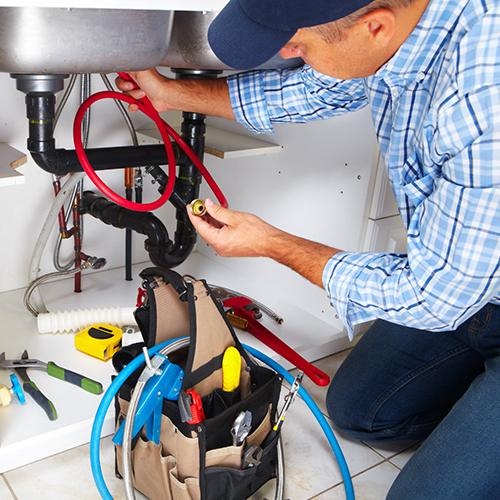
Professional plumbing forms the backbone of any reliable water infrastructure within a property. Unlike basic repairs or temporary fixes, professional plumbers approach water systems with a comprehensive understanding of hydraulics, pressure regulation, and system dynamics. Stability in water systems is not merely about ensuring that water flows when needed; it is about maintaining consistent pressure, preventing leaks, and safeguarding against sudden bursts or disruptions. Year-round stability becomes even more crucial as seasonal changes impact water demand, pipe expansion and contraction, and temperature-related stress on materials. Skilled plumbers implement preventative strategies that anticipate these variables, minimizing the risk of emergency breakdowns and enhancing the longevity of both domestic and commercial water networks. Their interventions range from sophisticated inspections to precise calibrations that preserve equilibrium within complex plumbing architectures, ensuring that water systems perform optimally regardless of external conditions.
Preventative Maintenance for Uninterrupted Water Flow
Preventative maintenance is central to sustaining stable water systems throughout the year. Regular inspections by professional plumbers identify minor issues before they escalate into major failures. This includes detecting early signs of corrosion, sediment accumulation, and pressure fluctuations that could compromise system integrity. Seasonal changes, such as freezing winter temperatures or the high water demand of summer, exert unique pressures on plumbing systems, which, if unaddressed, can lead to burst pipes or reduced efficiency. Professionals employ specialized tools to evaluate the flow rate, detect hidden leaks, and assess the condition of valves and joints. By addressing potential vulnerabilities proactively, they ensure uninterrupted water flow, reduce costly repairs, and enhance overall system resilience. This preventative approach not only preserves water quality but also maintains the functional stability of the entire network, guaranteeing that water remains accessible and reliable at all times.
Expert Installation and Upgrades for System Efficiency
Professional plumbing expertise is essential during both initial installation and subsequent system upgrades. Proper installation ensures that pipes, fittings, and pressure regulators function harmoniously, minimizing the risk of future malfunctions. Plumbing professionals evaluate water pressure dynamics, material compatibility, and spatial considerations to design a system that maximizes efficiency while reducing stress on individual components. Upgrades performed by experts often involve replacing outdated fixtures with modern alternatives that enhance performance and conserve water. These improvements are not merely aesthetic but critical for long-term stability, as older systems may struggle with fluctuating pressures or leaks that jeopardize the entire network. By combining precision installation with strategic enhancements, professional plumbers create a robust framework capable of sustaining year-round stability while optimizing operational efficiency and water conservation.
Leak Detection and Rapid Response to Potential Disruptions
Unnoticed leaks can destabilize a water system, leading to significant damage and inefficient water use. Professional plumbers utilize advanced diagnostic equipment, such as thermal imaging cameras, acoustic sensors, and pressure monitors, to locate leaks that might remain invisible to the untrained eye. Timely detection is crucial, as even minor leaks can erode pipe integrity, cause water contamination, or increase operational costs over time. Beyond detection, rapid intervention by skilled plumbers ensures that problems are resolved before they escalate, maintaining system stability and minimizing service interruptions. Their methodical approach involves isolating affected sections, performing precise repairs, and testing the system post-repair to ensure equilibrium is restored. This proactive methodology safeguards against unexpected failures and reinforces the resilience of water infrastructure under varying environmental and usage conditions.
Optimizing Water Pressure and Flow Regulation
Maintaining consistent water pressure is vital for stable water systems, and professional plumbers possess the expertise to calibrate and regulate these forces effectively. Imbalances in pressure can cause stress on pipes, resulting in leaks, bursts, or uneven distribution throughout the system. Professionals employ pressure-reducing valves, booster pumps, and sophisticated monitoring systems to maintain optimal flow levels. These measures are especially critical during peak demand periods or seasonal shifts when fluctuations are more likely to occur. By carefully managing pressure and flow, plumbers ensure that every outlet in a building receives a steady and reliable water supply. This attention to hydraulic balance not only enhances the functionality of faucets, showers, and appliances but also prevents long-term deterioration of the plumbing infrastructure, ensuring the system remains dependable throughout the year.
Seasonal Preparedness and Environmental Adaptation
Water systems are inherently affected by seasonal changes, and professional plumbing incorporates strategies to adapt to these variations seamlessly. In colder climates, freezing temperatures can cause pipes to expand, contract, or rupture, while in warmer periods, increased usage can strain water supply lines. Skilled plumbers anticipate these environmental pressures through insulation, strategic system adjustments, and monitoring to prevent interruptions. By preparing water systems for seasonal extremes, professionals mitigate the risk of unexpected breakdowns and preserve both water quality and supply consistency. Their proactive interventions ensure that systems function efficiently under diverse conditions, maintaining stability regardless of weather, temperature shifts, or fluctuating demand. This comprehensive approach reinforces the importance of professional plumbing in providing year-round reliability for residential and commercial water networks.
Sustainable Practices and Long-Term System Reliability
Professional plumbing also integrates sustainable practices that contribute to long-term stability and efficiency. Water conservation techniques, eco-friendly fixture installations, and leak prevention initiatives reduce strain on municipal systems while lowering operating costs. By implementing sustainable solutions, professional plumbers enhance the resilience of water infrastructure, allowing it to withstand environmental stressors and fluctuating usage patterns. These practices not only benefit individual properties but also contribute to broader water management goals, ensuring that resources are preserved and systems remain operational without interruption. The combination of technical expertise, preventative maintenance, and sustainable strategies ensures that water systems are stable, efficient, and reliable throughout the year, reflecting the indispensable role of professional plumbing in modern infrastructure.
Conclusion
Professional plumbing is essential for maintaining water system stability year-round, providing both immediate functionality and long-term resilience. Through preventative maintenance, precise installation, rapid leak detection, pressure regulation, seasonal preparedness, and sustainable practices, plumbers ensure that water networks operate efficiently and reliably. Their expertise safeguards against potential disruptions, optimizes system performance, and extends the lifespan of plumbing infrastructure. By relying on professional services, property owners can enjoy uninterrupted water access, consistent pressure, and reduced maintenance costs, all of which contribute to a secure and dependable water environment that functions seamlessly throughout every season.
About The Author
